Crude rebounds as U.S.-Iran clashes threaten Hormuz deal
(Bloomberg) – Oil rebounded as fresh clashes between the U.S. and Iran clouded the outlook for an interim deal to reopen the vital Strait of Hormuz.
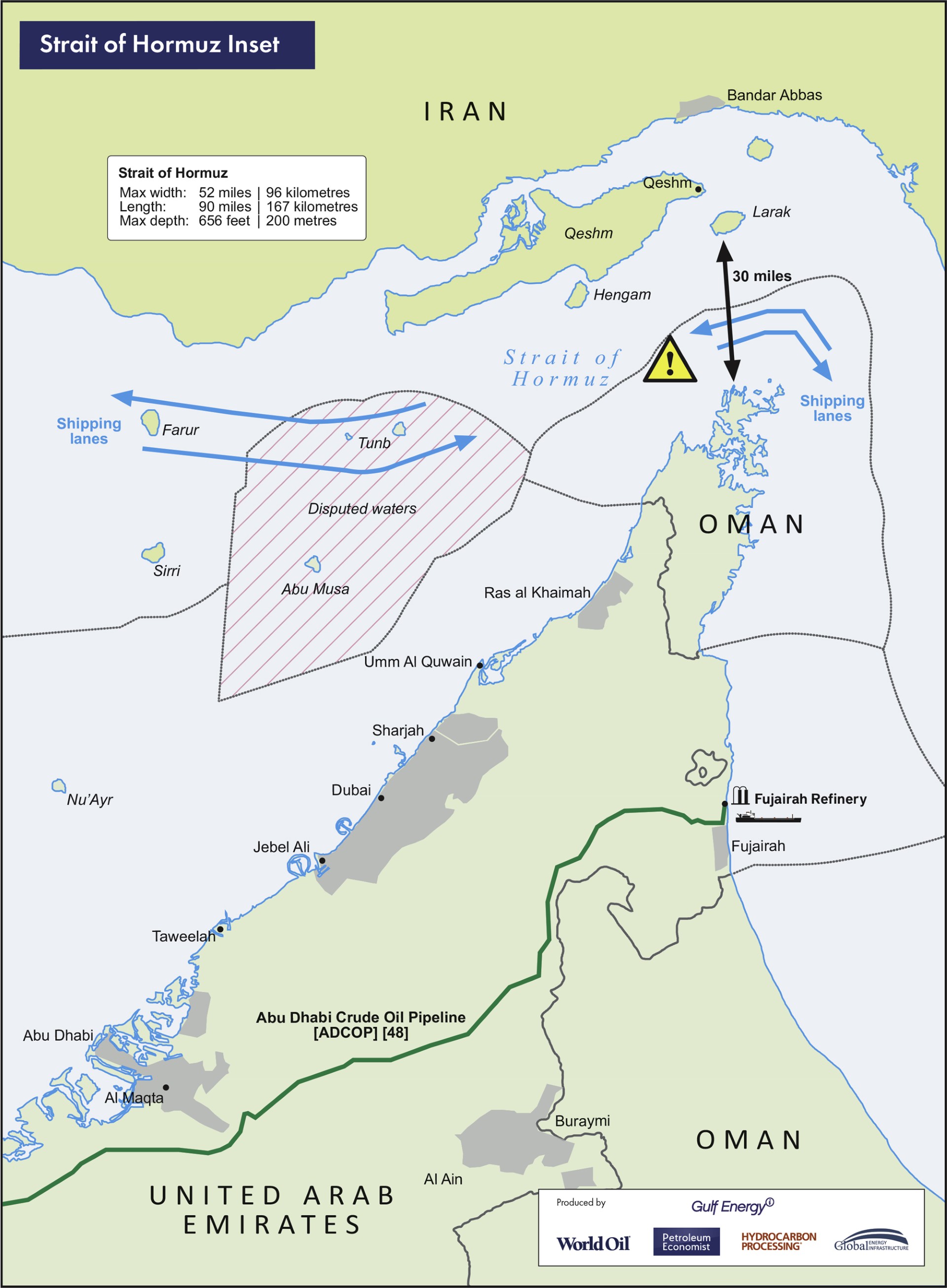
Global benchmark Brent rose to trade around $100 a barrel after slumping more than 7% on Monday. U.S. forces hitting targets near the strait, while the Islamic Revolutionary Guard Corps said it fired at an F-35 fighter jet and several drones after they entered Iranian airspace.
The latest tensions come as talks continue to end a war that has upended global energy markets. Negotiations will still “take a few days” as both sides discuss language in an initial document, Secretary of State Marco Rubio told reporters in India on Tuesday. A failure to reach a deal would prolong the crisis, which has sent fuel prices skyrocketing.
After crude retreated sharply in the week’s opening session on hopes for a deal, markets are once again refocusing on the movement of vessels and the progress of restarting energy assets, Macquarie Group strategists including Vikas Dwivedi wrote in a note Tuesday.
“Visibility to a durable end of the conflict may be significantly improved, but the underlying situation remains far from resolved,” the strategists wrote.
West Texas Intermediate, the U.S. benchmark, was down to around $94, though prices did not settle on Monday due to Memorial Day, meaning the fall reflected the move from Friday’s price.
Oil prices that rallied in March and April are now on pace for a drop in May, as the fragile ceasefire and push to reopen Hormuz outweigh signs of fast-depleting stockpiles. The strait, the key waterway through which a fifth of the world’s oil and liquefied natural gas flowed during peacetime, remains essentially closed, subject to blockades by the U.S. and Iran.
The two sides have been negotiating a deal that would see them extend the ceasefire for about two months, with Washington lifting its blockade and Tehran reopening Hormuz. Still, sticking points remain, with Tehran saying it must be able to manage traffic through the chokepoint, something the U.S., Arab states and Europe maintain cannot be allowed.
See also: U.S., Iran remain deadlocked on Hormuz deal as Trump warns Tehran
The U.S. is also renewing an effort to guide ships through the strait, the Wall Street Journal reported. That risks drawing the ire of Iranian forces after an earlier attempt triggered a flare-up in violence.
At present, it’s “premature to consider a peace deal will be reached let alone adhered to,” said Saul Kavonic, senior energy analyst at MST Marquee. “There have been claims by both sides of negotiation success, or the strait opening in the past few months already, only for it to not materialize.”
With Hormuz still largely closed, global oil inventories have been drawing at a record pace, according to a recent tally from the International Energy Agency. That’s put the spotlight on the U.S., where holdings — commercial and strategic combined — have been contracting at an unprecedented clip.
Highlighting additional challenges, Israel said on Monday it would intensify strikes against Iranian-backed Hezbollah in Lebanon. Tehran has demanded an end to hostilities in that country as part of any deal with the U.S.