Oil slides as U.S., Iran advance Hormuz negotiations
(Bloomberg) – Oil fell as senior U.S. officials gave further, positive signals on progress toward a deal with Iran to reopen the Strait of Hormuz.
Brent lost as much as 6.4% to $96.90 a barrel, while West Texas Intermediate was near $91. Secretary of State Marco Rubio struck a cautiously upbeat tone, saying the US was going to give diplomacy every chance. Any final approval may take several days, according to senior U.S. officials.
Over the weekend, President Donald Trump said “negotiations were proceeding in an orderly and constructive manner,” although the U.S. would not rush into a deal and Washington’s blockade of the strait would remain until an agreement was completed. On Monday, he reiterated in a social-media post that talks were “proceeding nicely!”
Still, it remains unclear how key differences, including the fate of the Islamic Republic’s nuclear program, will be addressed. Iran’s Tasnim news agency said the draft agreement could still collapse because the U.S. was obstructing some key clauses, including a demand that its assets be unfrozen.
“A consensus was reached on many of the topics discussed, but no one can claim that the signing of an agreement is imminent,” Iran’s Foreign Ministry Spokesman Esmail Baghaei told reporters on Monday.
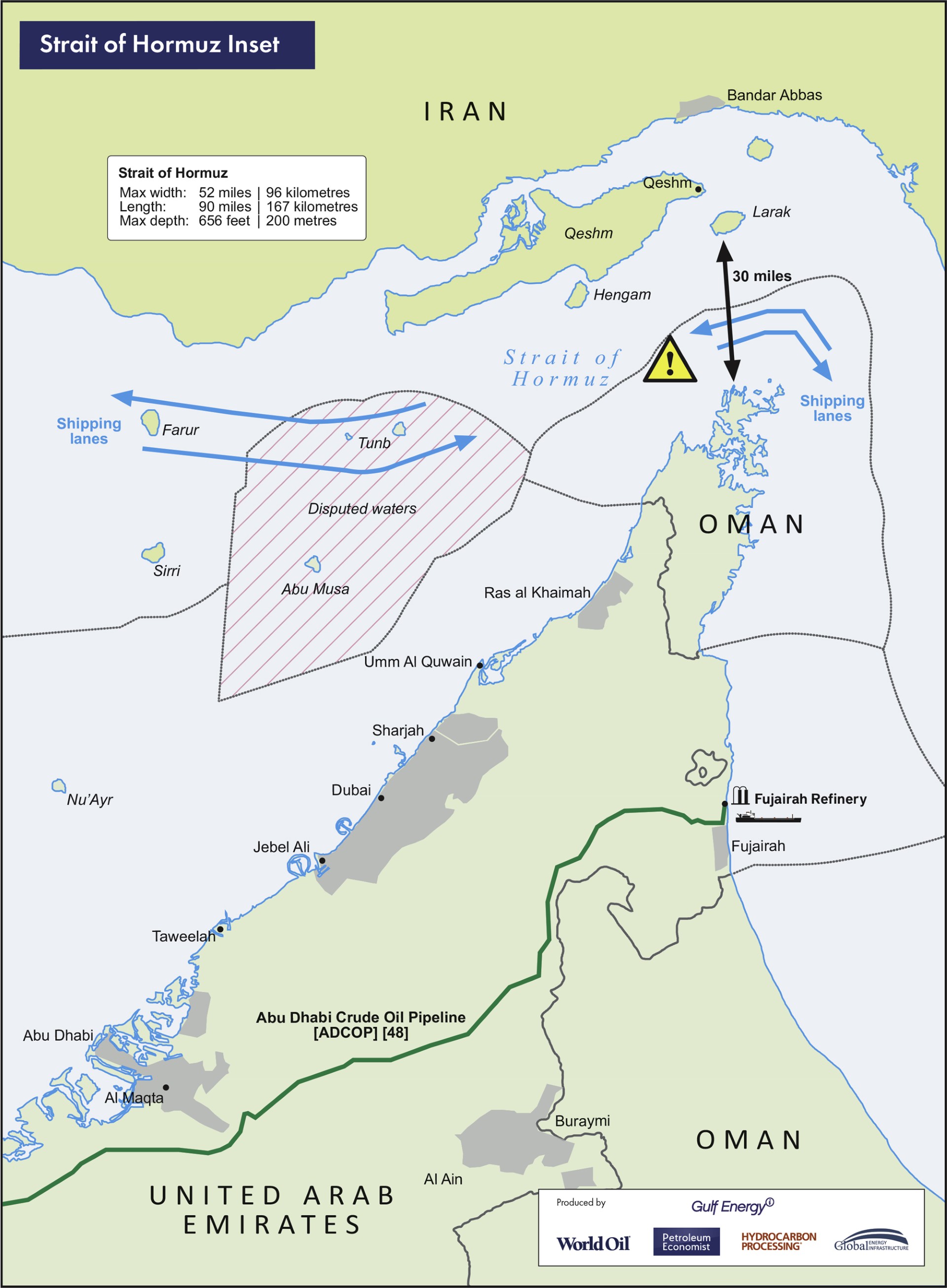
Global energy markets have been upended by the crisis, which began in February when the U.S. and Israel attacked Iran. The conflict spread rapidly across the Persian Gulf region, forcing producers to shut in millions of barrels of daily crude supplies. Hormuz — which links the region to global markets — has been subject to a double blockade by both Tehran and Washington.
“The two sides may be closer on a ceasefire and Strait of Hormuz reopening framework, but still far apart on the harder issues,” said Charu Chanana, chief investment strategist at Saxo Markets in Singapore, citing sanctions and the nuclear program. “Oil has priced in relief, but not a durable resolution.”
Trading in Brent futures was thinner than usual on Monday, with public holidays in the U.S. and the UK. The U.S. break for Memorial Day traditionally marks the start of the summer travel season, a period when demand for gasoline, diesel and jet fuel can be expected to rise.
The U.S. and Iran have developed a memorandum that would extend the ceasefire by 60 days as the two sides seek a permanent deal, the Washington Post reported, citing a senior administration official. If agreed, the strait would be de-mined and reopened in the meantime, the newspaper said.
A full reopening of Hormuz—which in peacetime typically handled around a fifth of the world’s oil and liquefied natural gas—would be a relief for energy importers across Asia, including China, Japan and South Korea.
Transits have been running at a fraction of their pre-war pace, although a few vessels have made it through. Among them, a supertanker hauling Iraqi crude to China left the Persian Gulf and crossed the U.S. blockade, ship-tracking data show. In addition, three liquefied natural gas tankers appear to have exited.
Iran said it is seeking to collect a shipping fee for services and environmental protection in the Strait of Hormuz, pushing back on describing it as a toll, the Iranian foreign ministry spokesman said. It’s unclear if the U.S. would accept that.
The Islamic Republic claimed that 33 vessels, including oil tankers and container ships, had passed through the strait after obtaining permission from the Islamic Revolutionary Guard Corps Navy, Tasnim reported on Sunday, citing the force. The Trump administration has said that any toll system is unacceptable.
President Trump has been facing growing domestic political pressure to end the conflict, particularly ahead of the November midterm elections that will determine control of Congress. The war has boosted the cost of fuels, with average U.S. gasoline prices hitting the highest since 2022.
Elsewhere, Russia and Ukraine struck each other’s energy infrastructure. Ukraine hit the Sheskharis oil terminal, the largest on Russia’s Black Sea coast; a storage facility; and a major petrochemicals plant. State energy company Naftogaz said Russia targeted oil-and-gas facilities in the east.