Iraq readies tankers, export operations as Hormuz deal approaches
(Bloomberg) – Iraq is preparing to boost oil exports from its southern ports with a formal deal to open the Strait of Hormuz scheduled to be signed on Friday.
The country is taking steps necessary for exports to resume “as soon as maritime navigation returns to normal,” said Salim Al-Rikabi, spokesman for the oil ministry. Iraq is “completing the process of nominating tankers to load Iraqi crude oil,” he said.
A separate person with knowledge of the matter said some buyers have already told state marketing firm SOMO which tankers they want to use for loadings since the peace deal was announced, and Iraq was dealing with those requests. The country typically delivers oil to buyers at its ports, and customers are responsible for arranging transportation.
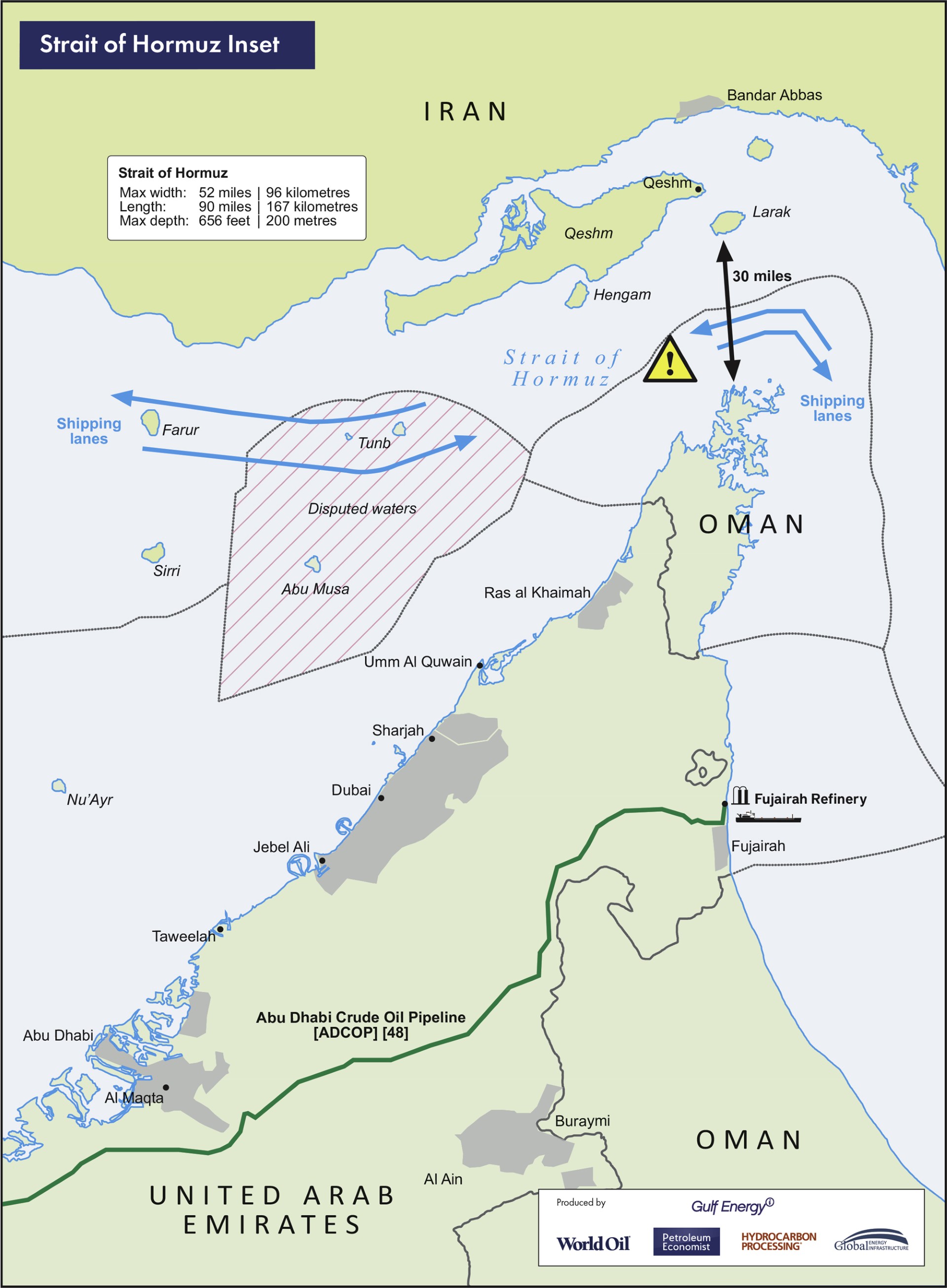
Iraq’s moves highlight preparations by major Middle Eastern producers to start returning their oil exports through the vital Hormuz waterway, which has been largely shut since the war started about 110 days ago. There are already signs of shipping activity, with Iran moving its own oil tankers and other vessels changing course to head toward the Persian Gulf even before Washington and Tehran sign an interim agreement to end their hostilities later this week.
The formal reopening of Hormuz will send a rush of oil to global markets if the U.S.-Iran deal holds, and bring some immediate relief from the worst supply disruption in history. While the International Energy Agency said Wednesday it expects the recovery in exports to be “gradual,” the anticipation of more oil has sent prices tumbling to levels last seen in early March, with benchmark Brent dropping below $80/bbl earlier this week.
Iraq has been raising its exports through Hormuz in recent days, shipping 1 MMbpd in the first half of this month, according to figures provided by Ali Nizar, director general of SOMO.
That compares with observed exports of about 98,000 bpd in May from the country’s southern ports, according to tanker tracking data compiled by Bloomberg. Total shipments in the year through February averaged 3.5 MMbpd.
Other countries in the region, including the United Arab Emirates and Kuwait, have also been stealthily raising shipments with a growing number of tankers turning their transponders off to avoid detection. The potential opening of Hormuz would mean those flows rise further.
The speed of the increase would depend on how quickly tankers already inside the Gulf can exit and empty ones move in. The ability of countries to start ramping up their shuttered output would also determine how quickly exports can return to prewar levels.
Al-Rikabi said the resumption of Iraq’s oil fields to previous production levels will require some time, “which may vary from one field to another.” However, there appears to be no damage to export infrastructure, he said.