Opinion: Three industry friends defeated in Texas primary run-off is very unusual
(WO) - Tuesday, May 26, is a day that won’t be forgotten soon in Texas politics and regulatory circles. Not one, not two but three experienced officeholders went down to defeat in yesterday’s Texas Republican primary run-off, a result not seen in quite some time. And all three have been good friends to the upstream oil and gas industry, which has already elicited some early reaction from associations.
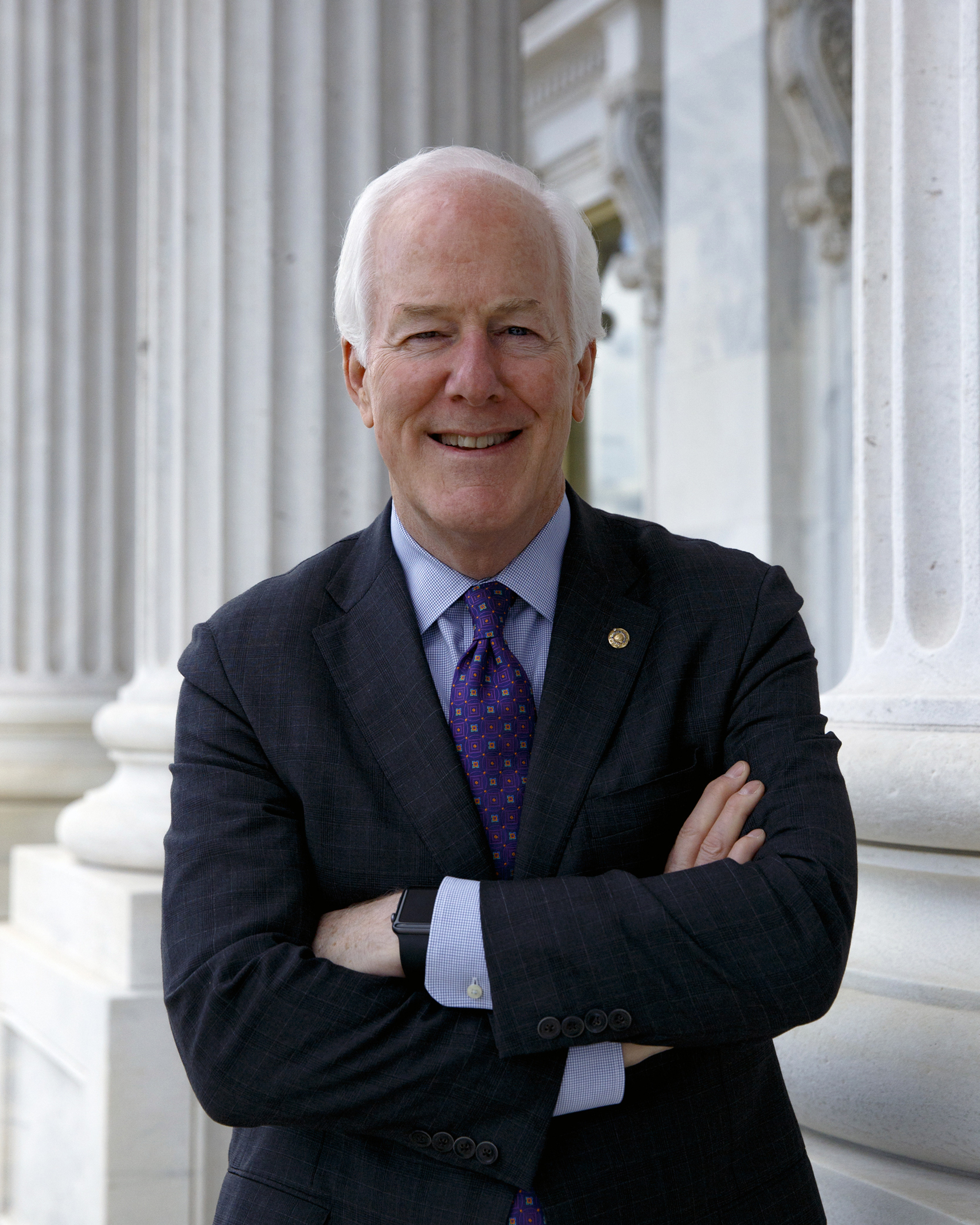
Specifically, four-term incumbent Sen. John Cornyn (Fig. 1) lost his re-election bid to current Texas Attorney General Ken Paxton (Fig. 2), four-term incumbent Congressman Chip Roy was defeated for the nomination to be the next Texas Attorney General by one-term state Senator Mayes Middleton, and current Railroad Commission of Texas Chairman Jim Wright was edged out, somewhat surprisingly, by challenger Bo French, whose main claim to fame seems to be that he was chairman of the Tarrant County (Fort Worth) Republican party for just over two years.
Well, chalk up this latest shake-up in Texas officials to that latent quirkiness that often surfaces in the state’s politics. Even when you think you can tell what is motivating voters, sometimes things crop up and cause a shift in the results. Inconsistent logic, dubious motives and stringent loyalty tests certainly confused this Republican primary run-off round.
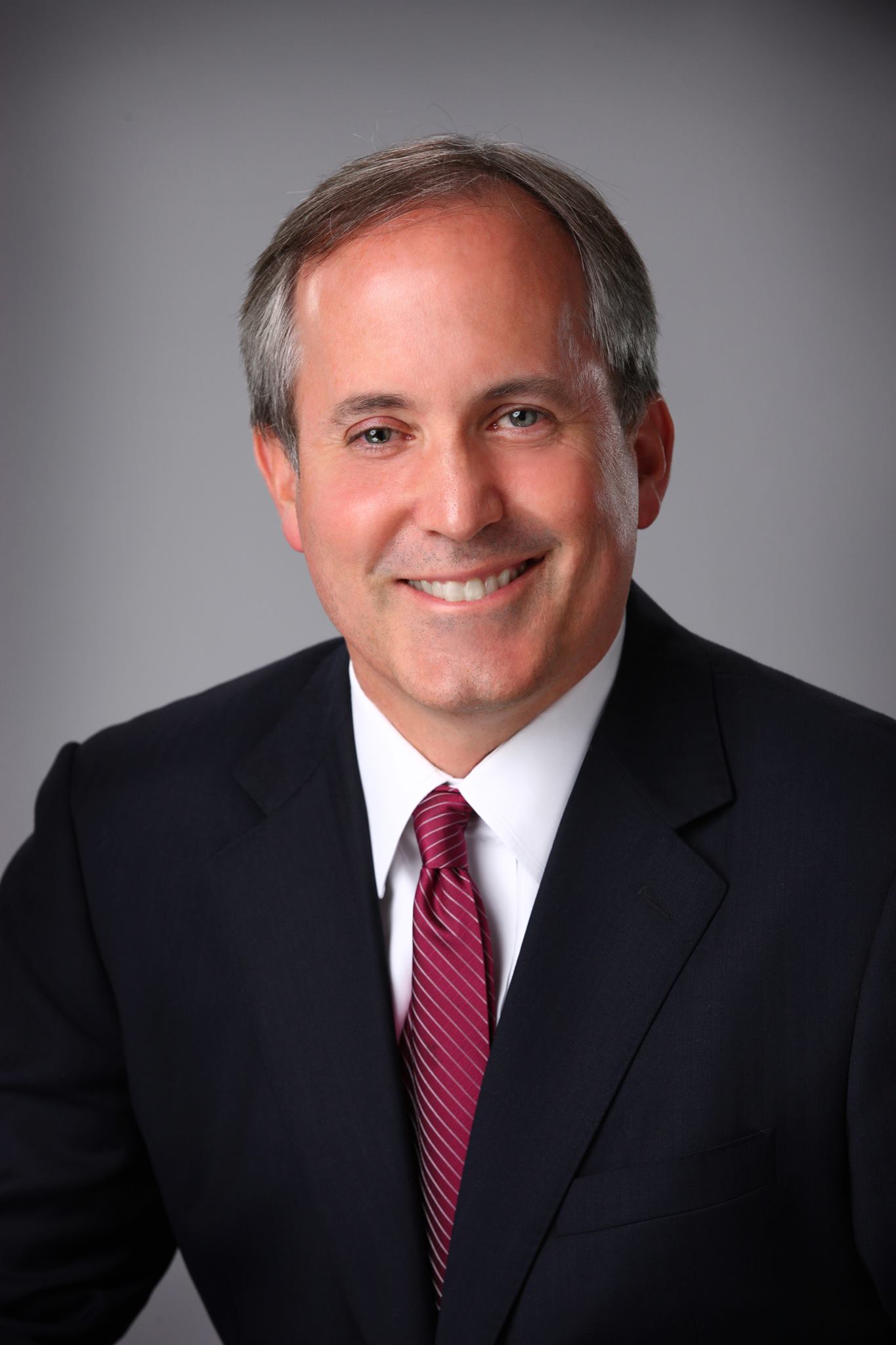
Texas U.S. Senator race. Ken Paxton blew out John Cornyn by a 63.8%-to- 36.2% margin, taking 252 of Texas’ 254 counties (Cornyn carried Travis and Kenedy counties). Oddly enough, in the first round of the Republican primary in March, Cornyn had received 42.5% of the vote, with Paxton taking 40.8% and Congressman Wesley Hunt pulling in 13.0%. Cornyn and Paxton advanced to the run-off this month, and it appears that virtually all of Hunt’s support migrated to Paxton, along with another 5% that was split among minor candidates.
Of course, President Donald Trump’s endorsement of Paxton, just one week before the run-off virtually assured he would win against Cornyn. This is despite a who’s who of Republican officeholders and former officials, including 17 current senators, a number of congressmen and former Texas Governor and Energy Secretary Rick Perry and former Secretary of State Mike Pompeo all endorsing Cornyn. It’s also in spite of Paxton’s troubling history of disturbing allegations against him, including marital infidelity, abuse of power, corruption, securities fraud, and bribery. This litany was enough that the Republican-controlled Texas state House voted to impeach him on May 27, 2023. He was then acquitted by the Republican-controlled state Senate on Sept. 16, 2023. Thus, Paxton is the GOP’s senatorial nominee in Texas, just three years after being impeached.
For his part, Cornyn apparently could never be “MAGA enough” to suit Trump’s taste. This is despite the fact that Cornyn voted in lockstep with Trump on legislation close to 99% of the time. And Cornyn continued to exercise his respect for the U.S. Senate’s rules and history, which no doubt irritated the President, who has little patience with congressional traditions. Never mind that the Senator has consistently been a strong ally to the oil and gas industry, advocating for policies that favor extraction, deregulation, and infrastructure development.
Cornyn has historically introduced and backed legislation to directly help the oil and gas sector, extend tax credits, and expedite royalty relief on public lands. He has actively supported the construction of pipelines, such as the Keystone XL, and has championed LNG exports. He notably partnered with Democratic Senator John Fetterman (Pa.) on legislation to block future presidential administrations from imposing freezes on LNG export terminals.
Cornyn’s defeat has already generated some industry response. Dan Naatz, IPAA’s EVP and Chief Policy Officer, offered his association’s reaction: “During his time in the Senate, Senator Cornyn understood the importance of having a strong American oil and natural gas industry. He has always been a strong advocate for independent producers in Texas and throughout the nation.”
Indeed, this editor agrees and believes the industry will miss his deep experience and ability to work behind the scenes on important oil and gas matters.
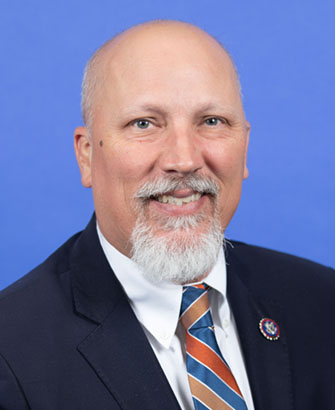
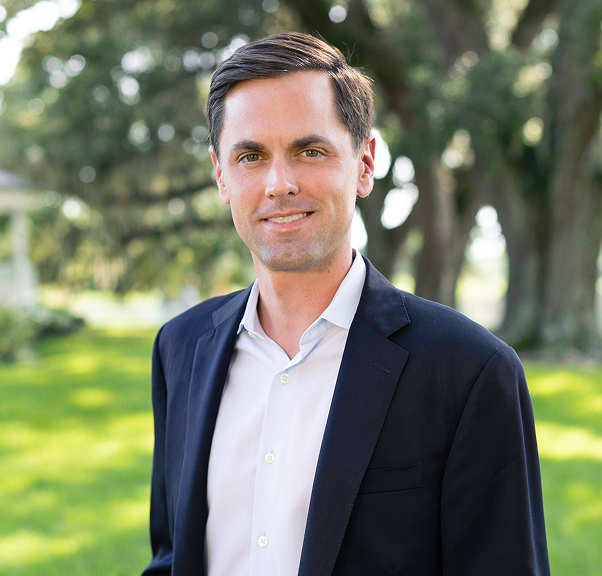
Texas state Attorney General race. With Paxton running in the senatorial race, a vacancy occurred for Texas Attorney General. This resulted in two main candidates running for this position—Congressman Chip Roy (Texas District 21, Fig. 3) and State Senator Mayes Middleton (State Senate District 11, Fig. 4). On paper, either candidate, running up to the run-off date, looked like he could handle the position. Both Roy and Middleton hold JD degrees from The University of Texas. Both understand the oil and gas industry, both are experienced in working on and passing legislation.
In mailers to potential Republican donors, Roy had told them that he was leaving Washington and running for state Attorney General “to protect our Texas way of life.” He also said he wanted to prevent “leftists from turning Texas into California or New York.” For his part, Middleton’s motivation to run for Attorney General was less clear, although he certainly postured himself as a MAGA warrior, working to implement the President’s agenda on the state level.
Given his extensive governmental experience at various levels, along with his strong ties to the oil and gas industry and being a vocal proponent of American energy independence, Roy would seem to have been the favorite in this race. However, Middleton is head of his family’s small oil production firm, and his family has extensive operations in ranching (cattle) and farming. What this editor found disturbing was Middleton’s constant inflammatory and exaggerated TV and radio ads about Roy. Also distasteful has been Middleton’s massive spending of his and his family’s money on his campaign, to the tune of about $15 million to $16 million, according to various sources. This equates to over 80% of his total campaign fund—almost like buying one’s way into office.
But never mind the facts. Trump’s endorsement of Paxton seems to have worked its way down to this race, with Middleton besting Roy by a 55.2%-to-44.8% margin. It will be interesting to see what Roy will do in the future.
Texas Railroad Commissioner race. In normal times, an incumbent Texas Railroad Commissioner would be a near-shoe-in for re-election, particularly if he/she is the current chairman of the commission, a position that rotates among the three commissioners. Such is the case of Jim Wright, the current chairman, Fig. 5. Yet, Wright found himself in a hotly contested race for his commissioner’s seat with Bo French (Fig. 6), whose main claim to fame is that he was chairman of the Tarrant County Republican Party from 2023 to 2025.
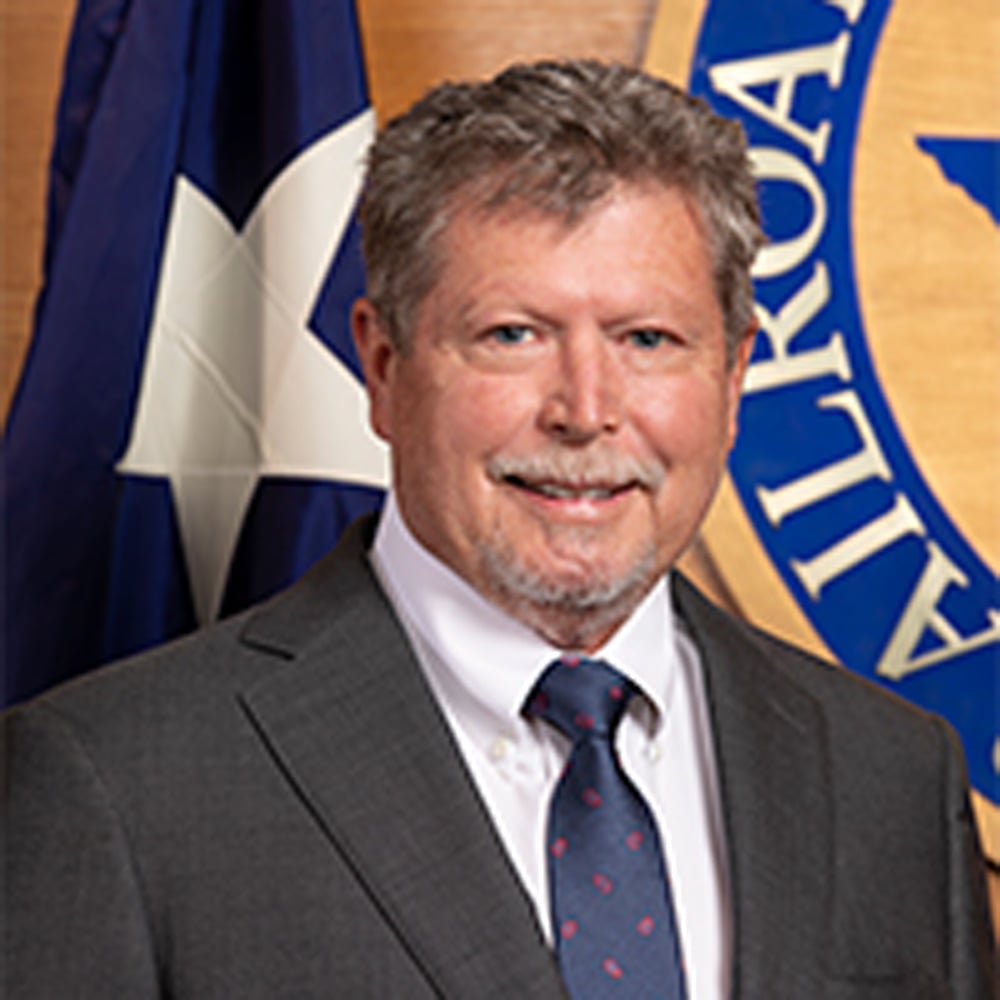
Wright would seem to have more accumulated expertise in oil and gas matters than French, although the latter does have some experience in energy trading, mineral ownership, ranching and entrepreneurship. So, in the original primary during March, Wright polled 32.1%, French received 31.8%, and the remaining 36.1% was split between three lesser-known candidates. So, off to the run-off went Wright and French.
Between that point and the May 26 run-off, a particularly nettlesome issue surfaced that appears to have mortally wounded Wright’s campaign. This was the issue of Wright championing a significant overhaul of regulations governing how operators manage and dispose of onsite waste. It required drillers to register toxic holding ponds and use plastic liners, among other things. Independent and small, mom-and-pop operators argued that these regulations are expensive, impose one-size-fits-all compliance burdens, and threaten the viability of lower-volume wells. Many small producers have felt that Wright has been too accommodating to large operators that have the capital to absorb the costs of these new rules.
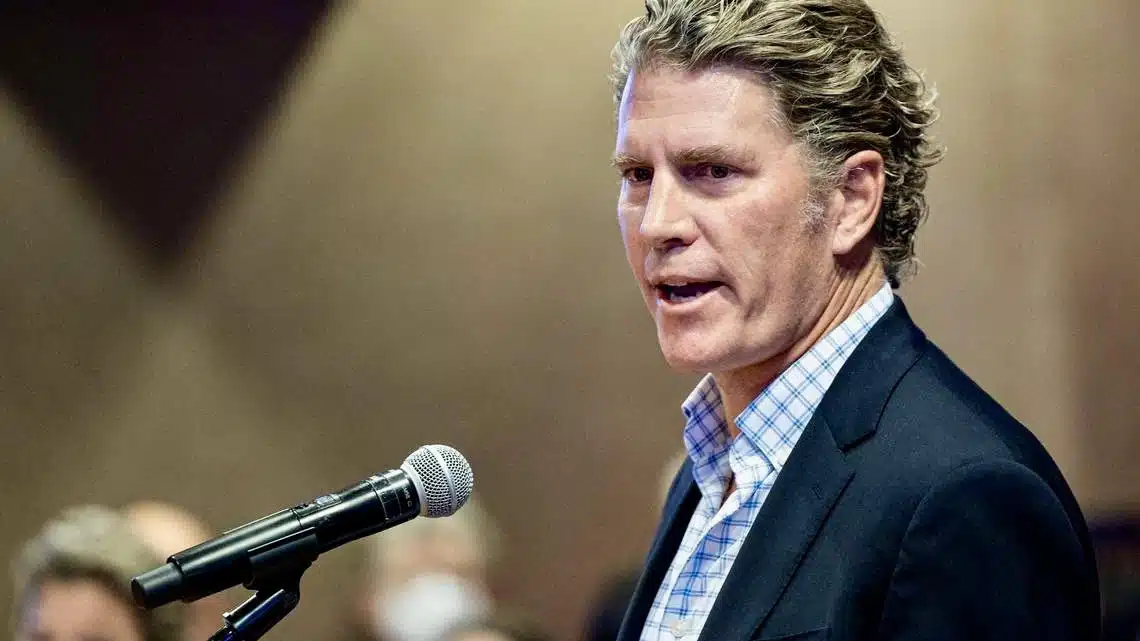
And their frustration seems to be borne out by the run-off totals, where French defeated Wright by a thin, 50.6%-to-49.4% margin. Considering that French won with a less-than-15,000 vote difference, the small producers may have helped to tip the result. Texas Alliance of Energy Producers President Karr Ingham thinks this may be the case. “Smaller private independents and larger companies sometimes have differing perspectives,” noted Ingham, “and it is true that some of our smaller operators were concerned about the burdens imposed by the Commission's waste management rule (the "pit rule") adopted in late 2024 and championed by Chairman Wright. And it was likely an issue in this campaign for some of them."
Nevertheless, the Alliance always worked well with Wright and will now endeavor to work with French, assuming he defeats his Democrat opponent in November, which is fairly likely. "We have maintained an excellent working relationship with Chairman Wright, and we are grateful for his engagement with the Alliance on behalf of our members large and small,” said Ingham.