Trump, Xi push Hormuz reopening as oil prices extend rally
(Bloomberg) — The U.S. and China called for the Strait of Hormuz to reopen following talks between President Donald Trump and Chinese President Xi Jinping, though negotiations over the Iran conflict remain deadlocked as global oil prices continue climbing.
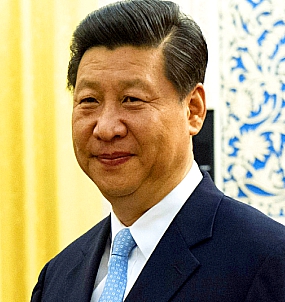
Chinese Foreign Minister Wang Yi said Friday that shipping through Hormuz should resume “as soon as possible,” according to state media comments issued after Trump’s visit to Beijing.
The discussions highlighted rare common ground between the world’s two largest economies during a conflict that has severely disrupted global oil and LNG flows. China has criticized U.S. and Israeli military actions against Iran while also seeking restoration of energy shipments through the strategic waterway.
Speaking aboard Air Force One, Trump said he and Xi discussed sanctions on Chinese firms purchasing Iranian crude and broader efforts to stabilize the region.
“I’m going to make a decision over the next few days,” Trump said when asked whether he would consider easing sanctions on Chinese oil companies.
Despite the diplomatic outreach, there was little indication of meaningful progress toward reopening Hormuz, which normally handles roughly one-fifth of global oil and LNG trade.
Oil markets remained volatile Friday, with Brent crude settling above $109/bbl after extending gains tied to the prolonged conflict and ongoing supply disruption. Prices have climbed roughly 50% since the war began.
A brief increase in tanker movements earlier in the week also faded after reports of another ship seizure near the Strait of Hormuz heightened security concerns for commercial operators.
“Negotiations are deadlocked, violence erupts sporadically and the economic costs of the prolonged closure of the Strait of Hormuz are rising,” Bloomberg Economics defense analyst Becca Wasser wrote in a research note Friday.
Iran signaled earlier this week that Chinese vessels could continue transiting the strait following discussions with Beijing, underscoring China’s importance as Iran’s largest crude customer.
At the same time, Iran has continued resisting U.S. demands to fully reopen shipping access while the U.S. maintains a naval blockade targeting Iranian ports and exports.
According to U.S. Central Command, American naval operations have redirected at least 75 commercial ships away from Hormuz since the restrictions intensified.
The conflict continues reshaping global energy flows and geopolitical relationships as markets monitor the risk of further escalation and prolonged disruption to Middle East supply routes.