U.S. halts Iran talks amid hardened positions, Hormuz traffic near zero
(Bloomberg) — Efforts to restart U.S.-Iran peace talks have stalled after Washington canceled a planned diplomatic trip and Tehran signaled it would not negotiate under pressure, extending uncertainty as the conflict nears the two-month mark.
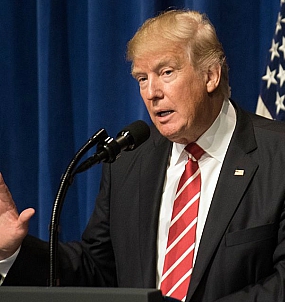
President Donald Trump called off a visit by senior envoys to Pakistan, which had been set to host mediated talks, saying Iran’s latest proposal was insufficient. “Too much time wasted on traveling,” Trump wrote in a social media post, adding, “If they want to talk, all they have to do is call.”
Iranian officials responded by hardening their position. President Masoud Pezeshkian said the country would not enter “imposed negotiations under threats or blockade,” underscoring a widening gap between the two sides.
While a ceasefire has largely held since early April, both sides continue to enforce restrictions in the Strait of Hormuz, leaving the key energy corridor effectively closed. Tanker traffic—normally among the highest-volume oil flows globally—has dropped to near zero as vessels avoid the region.
The diplomatic setback comes at a time when the Strait of Hormuz remains central to global energy markets, handling roughly one-fifth of the world’s oil supply under normal conditions. Disruptions have also constrained liquefied natural gas shipments, tightening global energy balances.
Iran has outlined conditions for returning to talks, including lifting the blockade, compensation for damage and guarantees against further military action. U.S. officials have not publicly responded to those demands.
Meanwhile, enforcement actions continue. U.S. forces intercepted another vessel in the Arabian Sea over the weekend as part of efforts to restrict Iran’s energy exports. Since the start of the blockade, dozens of ships have been redirected or turned back, according to U.S. Central Command.
Iran has also maintained pressure in the region, deploying small vessels to challenge commercial shipping and reinforcing its own restrictions on passage through Hormuz. The dual blockade has sharply reduced maritime traffic and contributed to a growing supply shortfall.
Market participants say the disruption is compounding logistical challenges, as buyers scramble to secure alternative cargoes and reroute shipments outside the Gulf.
Elsewhere in the region, tensions remain elevated, with continued military activity involving Israel and Hezbollah adding to broader instability.
For energy markets, the stalled diplomacy and continued restrictions in Hormuz suggest that supply disruptions may persist in the near term, even as both sides avoid a return to full-scale hostilities.