ADNOC CEO calls Hormuz disruption “economic terrorism” threatening global energy supply
(WO) - ADNOC CEO Sultan Al Jaber warned that disruption of the Strait of Hormuz represents a direct threat to global energy security, describing attempts to block the vital waterway as “economic terrorism” with far-reaching consequences for oil and gas markets.
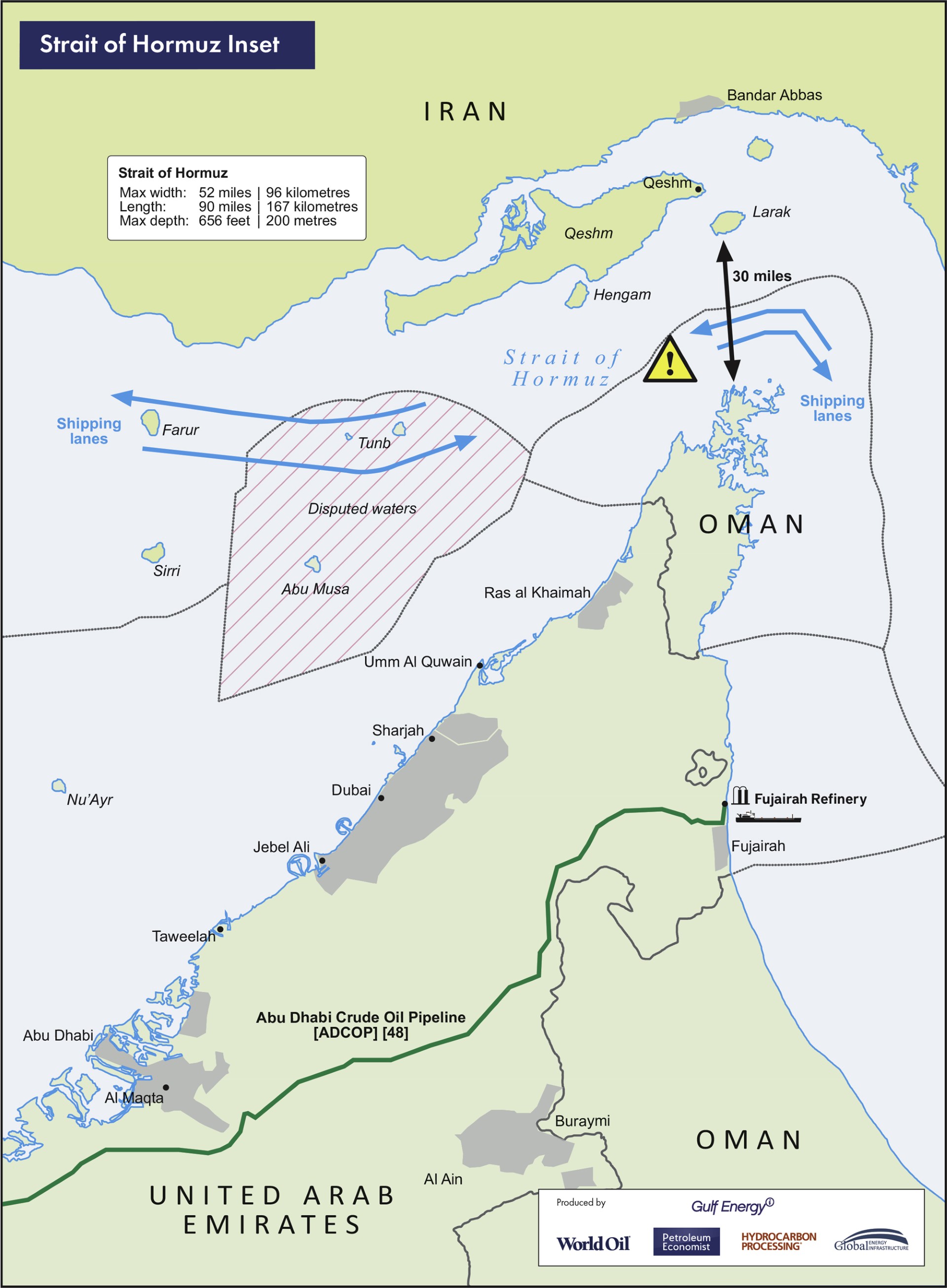
Speaking at CERAWeek by S&P Global in Houston, Al Jaber emphasized the strategic importance of Hormuz, through which roughly 20% of global oil and gas flows transit. Recent attacks on regional energy infrastructure and commercial shipping have tightened supply routes and contributed to sharp increases in oil prices.
“When Hormuz is squeezed, the pressure is felt everywhere,” Al Jaber said, noting that disruptions are already raising costs for consumers and slowing economic activity worldwide. He stressed that the issue is not one of resource availability, but of secure and reliable access to markets.
The comments come amid escalating regional conflict that has affected production, storage and export logistics across the Gulf. ADNOC operations have been impacted by attacks, though the company continues to manage output and maintain supply commitments where possible, Al Jaber said.
Saudi Arabia and other Gulf producers have also moved to reroute crude exports toward the Red Sea, as restricted transit through Hormuz limits traditional shipping pathways. At the same time, storage constraints and logistical bottlenecks are emerging across the region.
See also: U.S. targets Iran positions near Strait of Hormuz as oil market tensions rise
Al Jaber underscored that long-term market stability depends on keeping critical energy corridors open. “Energy security is the foundation of economic stability,” he said, adding that prolonged disruption risks sustained price volatility and broader impacts across industrial supply chains.
The UAE, he noted, has invested heavily in infrastructure, diversification of export routes and digital technologies to strengthen system resilience. ADNOC is also continuing to expand investments across the global energy value chain, including storage, LNG and downstream assets.
As geopolitical tensions reshape energy flows, Al Jaber called for greater international coordination to safeguard supply routes and ensure continued reliability in global oil and gas markets.
See also: Aramco CEO withdraws from CERAWeek amid Hormuz-driven supply disruptions