U.S. targets Iran positions near Strait of Hormuz as oil market tensions rise
(Bloomberg) - U.S. officials signaled an intensifying military campaign against Iran focused on securing access to the Strait of Hormuz, underscoring growing risks to global oil supply as the conflict enters its fourth week.
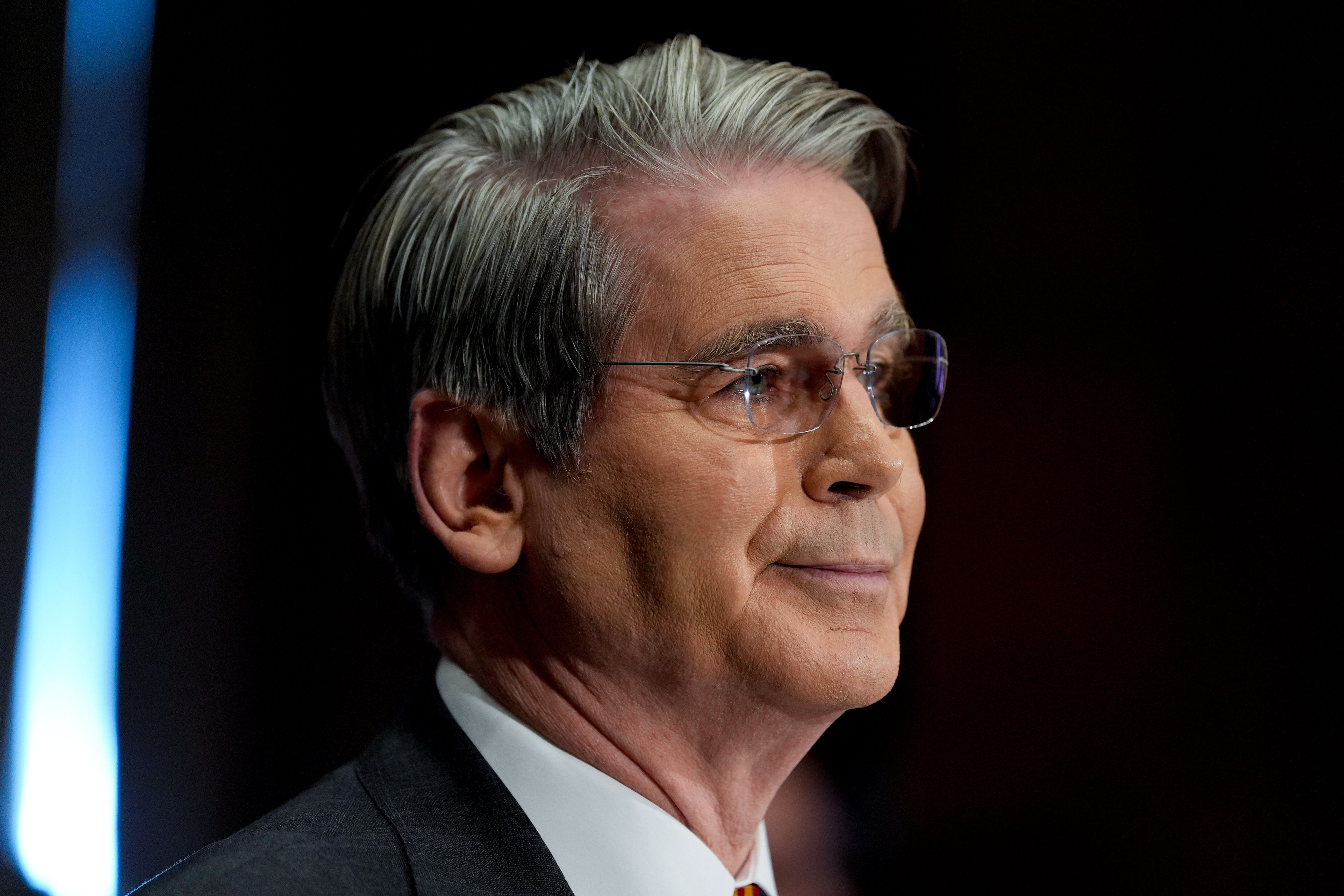
Treasury Secretary Scott Bessent said U.S. and Israeli operations are targeting Iranian military assets near the strategic waterway, a critical chokepoint that typically handles about 20% of global oil and LNG flows. The campaign aims to weaken Iran’s ability to disrupt shipping through the strait, which remains severely constrained amid ongoing hostilities.
The U.S. push comes as Washington presses Iran to reopen the waterway, with President Donald Trump warning that further action could be taken if transit is not restored. Limited tanker movements and heightened security risks have already disrupted crude flows, contributing to rising global oil prices and increased market volatility.
Energy markets have reacted sharply to the supply threat. U.S. gasoline prices have surged more than 30% over the past month, while crude benchmarks remain elevated amid concerns that prolonged disruption could tighten global balances further.
Officials acknowledged that short-term price pressure may persist as military operations continue. However, the administration has framed the campaign as necessary to secure longer-term stability in global energy markets by eliminating Iran’s capacity to threaten key infrastructure and shipping routes.
The Strait of Hormuz remains central to the outlook. With few viable alternative routes for Gulf producers, any sustained disruption to tanker traffic could force production adjustments and draw down inventories, amplifying price impacts.
As the conflict evolves, market participants are closely watching the status of Hormuz transit, with the timing of any reopening likely to determine the trajectory of oil prices and global supply in the near term.
Map source: Global Energy Infrastructure.