Brent crude settles above $100 for second straight session
(Bloomberg) – Brent crude settled above $100 a barrel for a second consecutive session, reaching its highest level in more than three years as the Middle East conflict continues to disrupt global oil flows and tanker traffic through the Strait of Hormuz.
The global benchmark rose to settle at $103.14/bbl, while U.S. crude futures ended the session near $99/bbl, their highest level since July 2022.
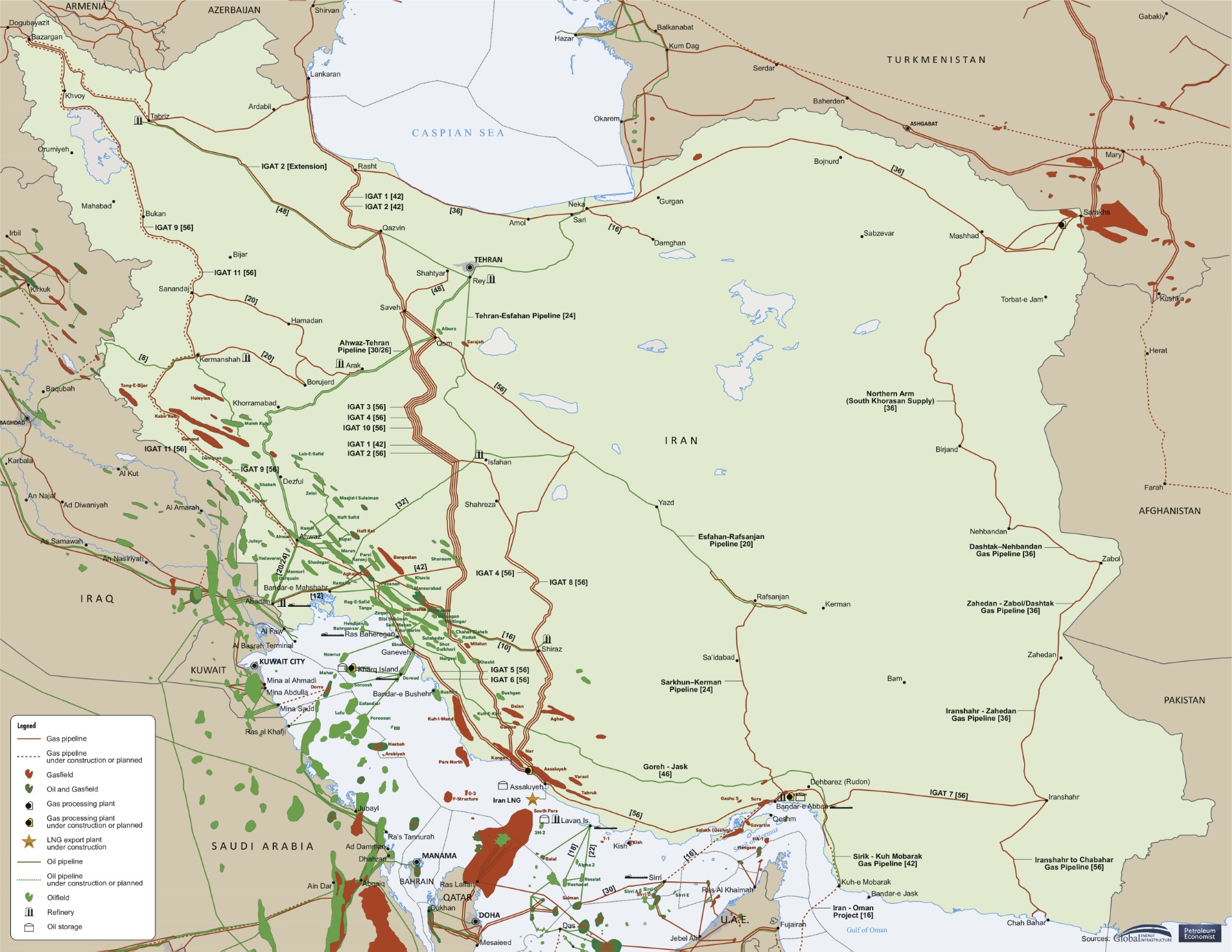
Oil prices have surged amid escalating tensions between the U.S., Israel and Iran, which have severely disrupted shipping through the Strait of Hormuz. The vital chokepoint normally handles roughly one-fifth of the world’s oil and natural gas exports.
Traders monitored signs that some shipping activity may be cautiously resuming. Reuters reported that Iran allowed two Indian-flagged liquefied petroleum gas carriers to transit the waterway, a development that could signal limited reopening of the corridor.
Restoring traffic through Hormuz is widely seen as critical to stabilizing global energy markets. Tanker flows through the strait have slowed dramatically following attacks on several vessels earlier this week, raising concerns among shipowners and insurers about the safety of operating in the region.
Meanwhile, the United States has intensified strikes on Iranian targets. U.S. President Donald Trump issued new warnings to Tehran after Iran’s Supreme Leader Mojtaba Khamenei indicated that the strait should remain effectively closed and suggested the possibility of expanding the conflict.
Washington has also taken steps to ease supply pressures. The U.S. issued a second temporary waiver allowing purchases of sanctioned Russian crude that had already been loaded onto vessels prior to March 12. The authorization expands a previous directive that allowed India to increase purchases.
Separately, Axios reported after the market close that the U.S. had moved to make it easier for American companies to purchase Venezuelan oil and fertilizer.
Extreme price volatility has forced some market participants to reduce risk exposure as uncertainty over the duration of the conflict persists.
“Many traders appear to be positioning themselves defensively rather than risk becoming casualties of the next headline,” said Rebecca Babin, senior energy trader at CIBC Private Wealth Group. “Even though the downside is likely smaller than it was at the start of the year, it would still represent a meaningful move lower if some form of an off-ramp emerges.”
See also: Saudi Arabia drives OPEC output higher ahead of Iran conflict, survey shows