Venezuela faces investor, political pushback over oil sector reform plan
(Bloomberg) - Venezuela’s interim government is facing mounting pressure from investors, political allies and the United States as it seeks to reform the country’s oil industry to revive production and attract foreign capital.
Acting President Delcy Rodríguez is pushing proposed changes to Venezuela’s hydrocarbons law that would loosen restrictions on foreign participation in upstream projects. The effort has drawn criticism from across the political spectrum, underscoring the challenges of reshaping an oil sector that has suffered years of underinvestment, sanctions and operational decline.
Some lawmakers and labor groups aligned with the ruling party argue the reforms weaken state control established under former President Hugo Chávez, who expanded government dominance over the industry. At the same time, international energy lawyers and investors say the proposed framework does not go far enough to provide legal certainty or protections needed to support large-scale investment.
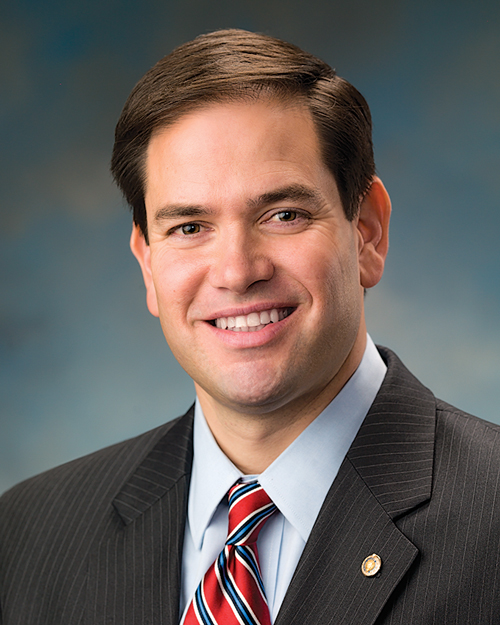
The Trump administration has also expressed reservations, saying the proposal stops short of fully opening the sector to private capital. U.S. Secretary of State Marco Rubio said the reforms remove some Chávez-era barriers but may be insufficient to attract the level of foreign investment needed to significantly rebuild Venezuela’s oil industry.
The draft law includes provisions aimed at making upstream projects more attractive, such as revised contract structures, tax incentives and the ability for companies to market their own production. It would also allow disputes to be settled through international arbitration rather than solely in Venezuelan courts. Critics, however, say concerns over regulatory stability and rule of law remain major obstacles.
The legislation passed a first reading in January and could still be amended before a final vote. Rodríguez and congressional leaders have since visited facilities operated by state oil company PDVSA in an effort to shore up internal support.
While opposition remains strong, some local oil service companies have welcomed the proposed changes, saying they could lead to faster production gains in mature fields and generate new employment. Analysts say limited near-term output increases are possible, but broader recovery will depend on sustained reforms and investor confidence.
Map created in collaboration with Petroleum Economist and Global Energy Infrastructure. For an overview of this project and other related infrastructure developments, visit Global Energy Infrastructure. Copyright World Oil 2026. All rights reserved.