Report warns UK businesses of ‘perfect storm’ in workplace safety
(WO) — Financial pressures, outdated equipment and rising worker cynicism could combine to undermine health and safety standards across UK workplaces, according to Dräger’s fifth annual Safety and Health at Work Report.
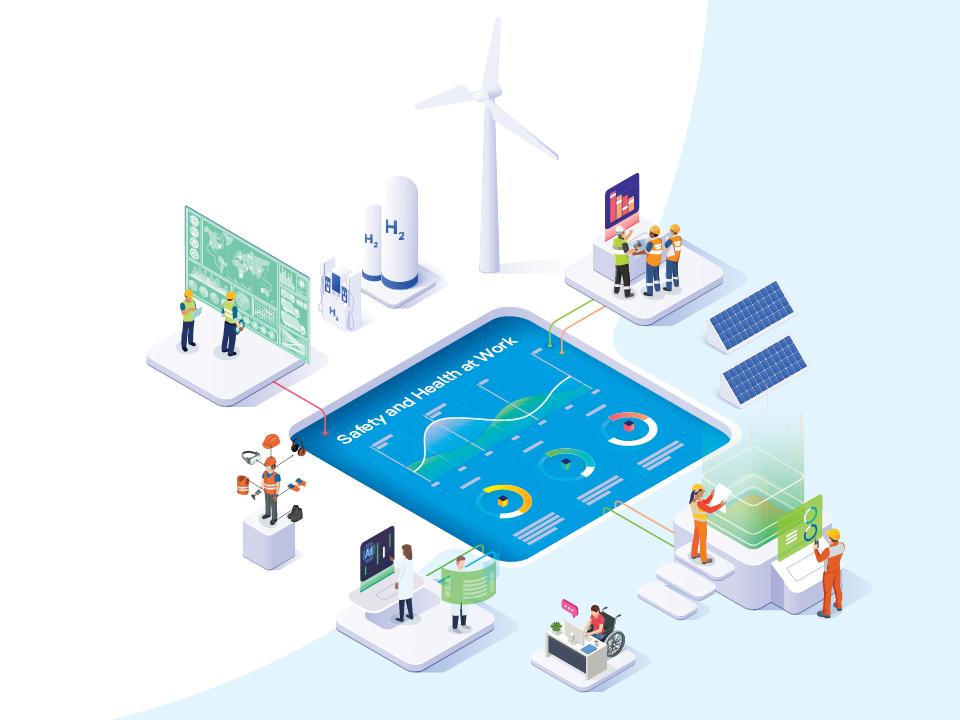
The study of 2,000 employees shows that 96 % feel broadly safe at work, yet 65 % believe weak psychological safety contributes to physical hazards. Researchers label the effect a potential “perfect storm” unless companies act.
Key findings
- ‘Gen C’ cynicism: 63 % say too much safety responsibility now sits with employees rather than employers.
- Mental-health slide: Issues of mental health and wellbeing, ranked top priority last year, have fallen behind fire and respiratory risks.
- Training gaps: 73 % view safety courses as a “tick-box exercise”; 9 % report no training in five years.
- Budget squeeze: 77 % expect recent National Insurance changes to dent safety spending, while 66 % rate their company’s equipment as outdated or in disrepair.
- AI concerns: 44 % see artificial intelligence as a way to cut human error, but 92 % fear new risks, chiefly over-reliance that could breed complacency.
“The outlook for businesses continues to be extremely challenging, not least financially. However, it is vital that organizations also remain focused on fundamental issues such as the safety and wellbeing of their employees,” said Matthew Bedford, Managing Director, Draeger Safety UK Ltd.
He hopes the data will “serve as a wake-up call” for firms that underestimate staff sentiment: “Despite the vast majority of people reporting that they do feel safe in their workplace, there are clear areas of dissatisfaction and cynicism… It is vital that we do not allow complacency to develop.”
AI remains a double-edged sword. Workers welcome automated checks, immersive training and hazard prediction, but nearly half (47 %) worry that dependence on algorithms could dull human vigilance.
Bedford argues that innovation, balanced with robust training and well-maintained gear, offers a route forward: “Innovation and new approaches being seen in safety training and safety technology are [needed] to keep workplaces safe despite the challenges faced.”
Dräger’s research team concludes that UK employers must modernize equipment, restore focus on mental health and treat AI as a tool—not a replacement—to keep pace with evolving risks.